
What if healthier communities begin not with exercise, but with making movement a natural part of everyday life?
An active community isn’t created by exercise equipment alone.
When we talk about encouraging healthier, more active lifestyles, the conversation often turns quickly to facilities.
A playground. A fitness station. A cycling trail. A sports field.
All can play an important role.
But there is another, perhaps more fundamental question:
Does the neighbourhood itself make movement feel natural?
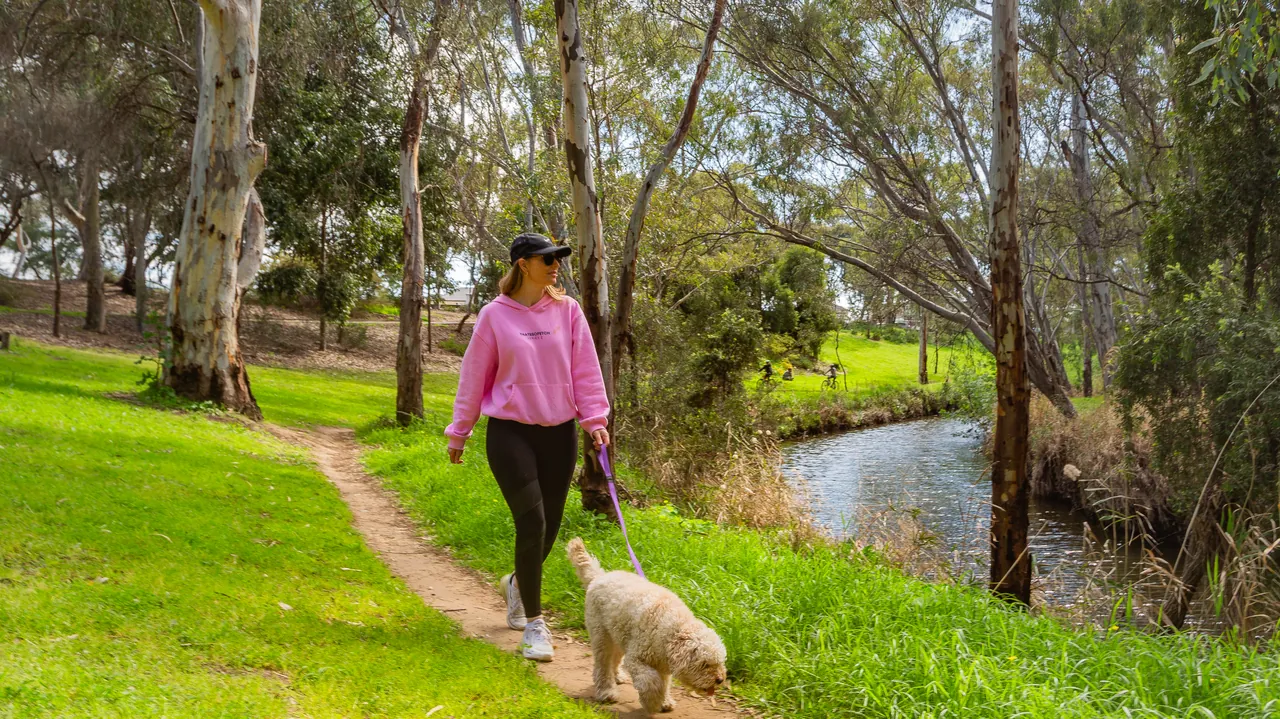
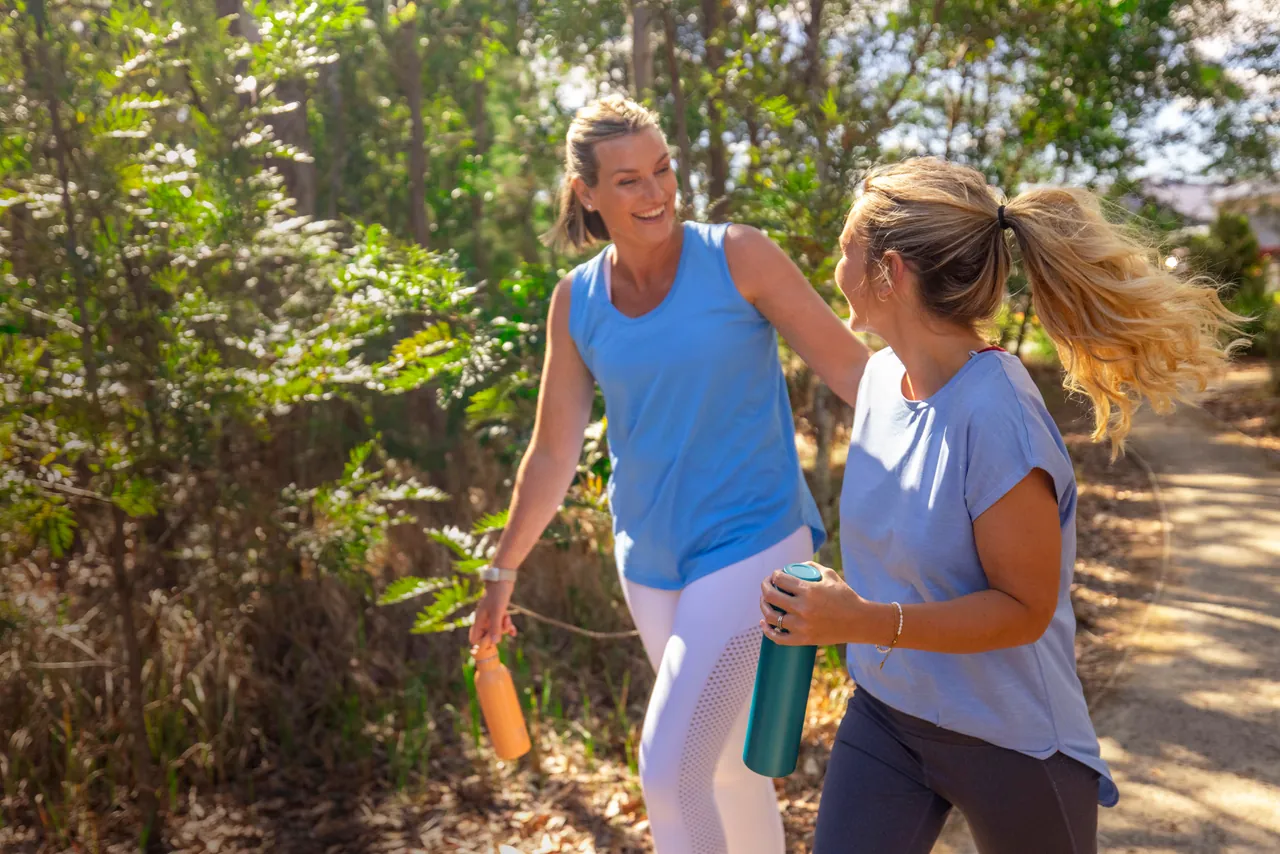
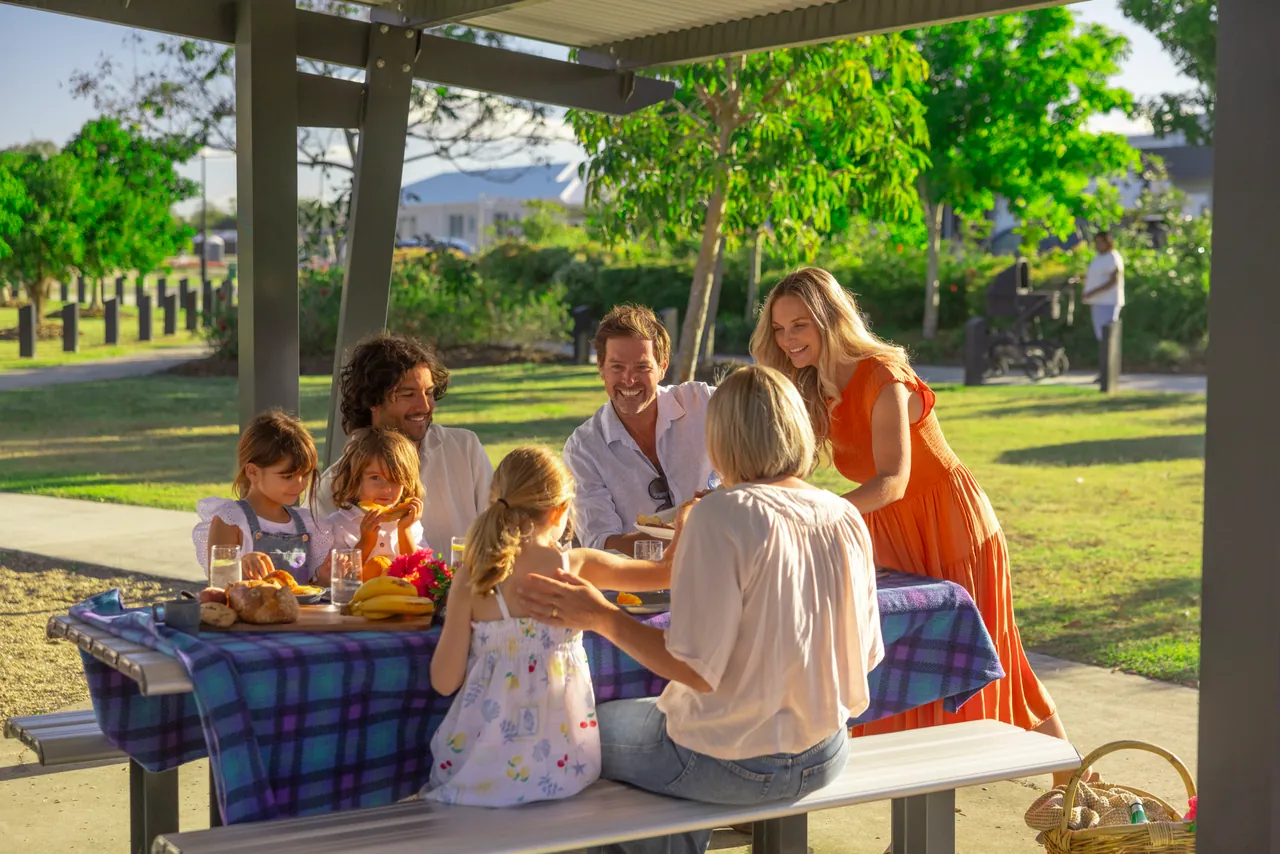
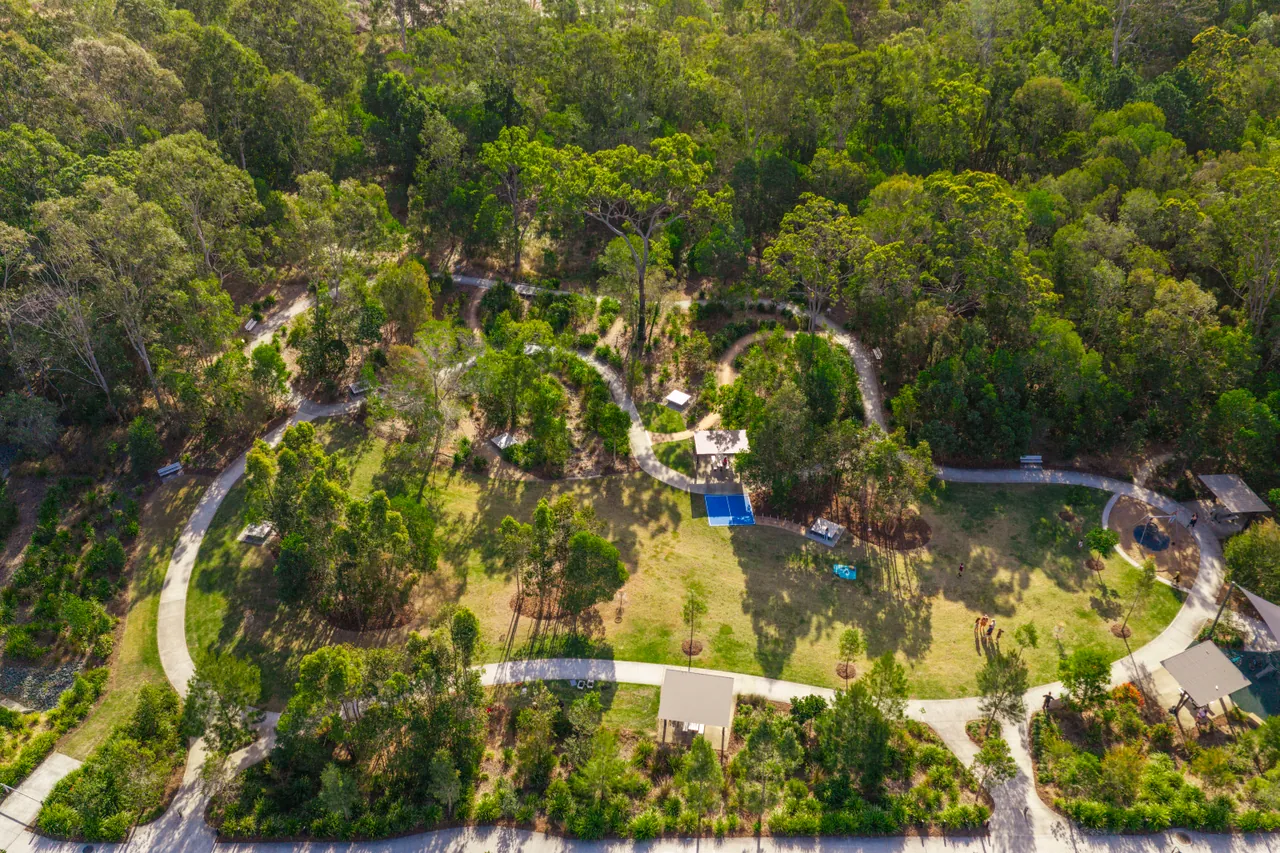
Where does a path take you? Can children reach somewhere interesting? Is walking a practical and enjoyable choice? Do parks, paths and everyday destinations connect, or simply exist as separate facilities?
These decisions can influence hundreds of small choices people make over time.
Whether to walk or drive.
Whether children explore beyond their own street.
Whether an evening walk becomes part of someone’s routine.
Whether getting outside requires planning, or simply happens.
That’s particularly relevant at a time when Australians are placing greater importance on physical wellbeing, spending time outdoors and reducing stress.
Perhaps the role of planning isn’t to tell people to be active.
It’s to remove some of the barriers to being active in the first place.