
We can’t design relationships. But we can think carefully about where they have the opportunity to grow.
For all the change happening around us, some human needs remain remarkably constant.
We want people around us. We want to feel connected. We want to belong.
If anything, those things may be becoming more valuable.
Recent Australian research found 51% of people say spending more time with family and friends has become more important to them, while 70% want to invest more in the relationships that matter most.
What does that mean for the way we plan a neighbourhood?
It doesn’t mean trying to manufacture community. Relationships can’t be drawn on a masterplan.
But opportunities for connection can.
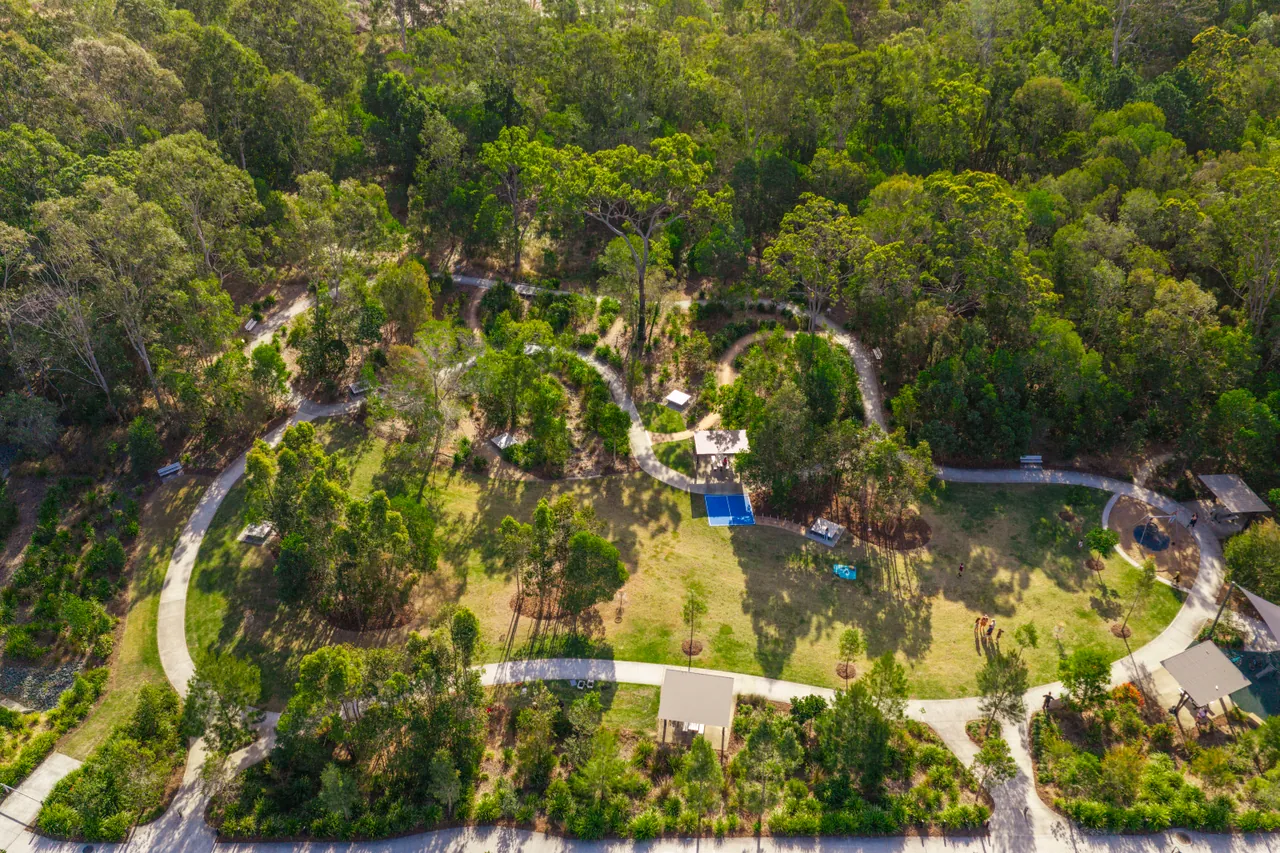
The route people take to a park. A path that joins one part of a neighbourhood to another. A place to sit. A destination worth walking to. A landscape shared by different generations. Even the likelihood of passing someone you know on the way home.
Individually, these can seem like small decisions. Together, they help create the conditions in which familiarity, connection and eventually belonging can develop naturally.
There is another dimension to connection too.
A masterplan has a boundary. People’s lives don’t.
They travel to school, shops, sport, work, friends and established local destinations. So perhaps the question isn’t simply what should we put inside a new community?
How can this community become part of the place that’s already here?