
There is a difference between living close to nature and living with it.
In many new communities, nature is something you travel to. A park at the end of a street. A reserve at the edge of the neighbourhood. A landscape you pass on the way home.
But there is another way to think about it.
Our relationship with nature is increasingly connected with how we think about wellbeing and living well. Recent Australian research shows that spending more time outdoors or in nature has become more important to many people, alongside a greater focus on physical and mental wellbeing.
That gives those creating new communities something worth considering.
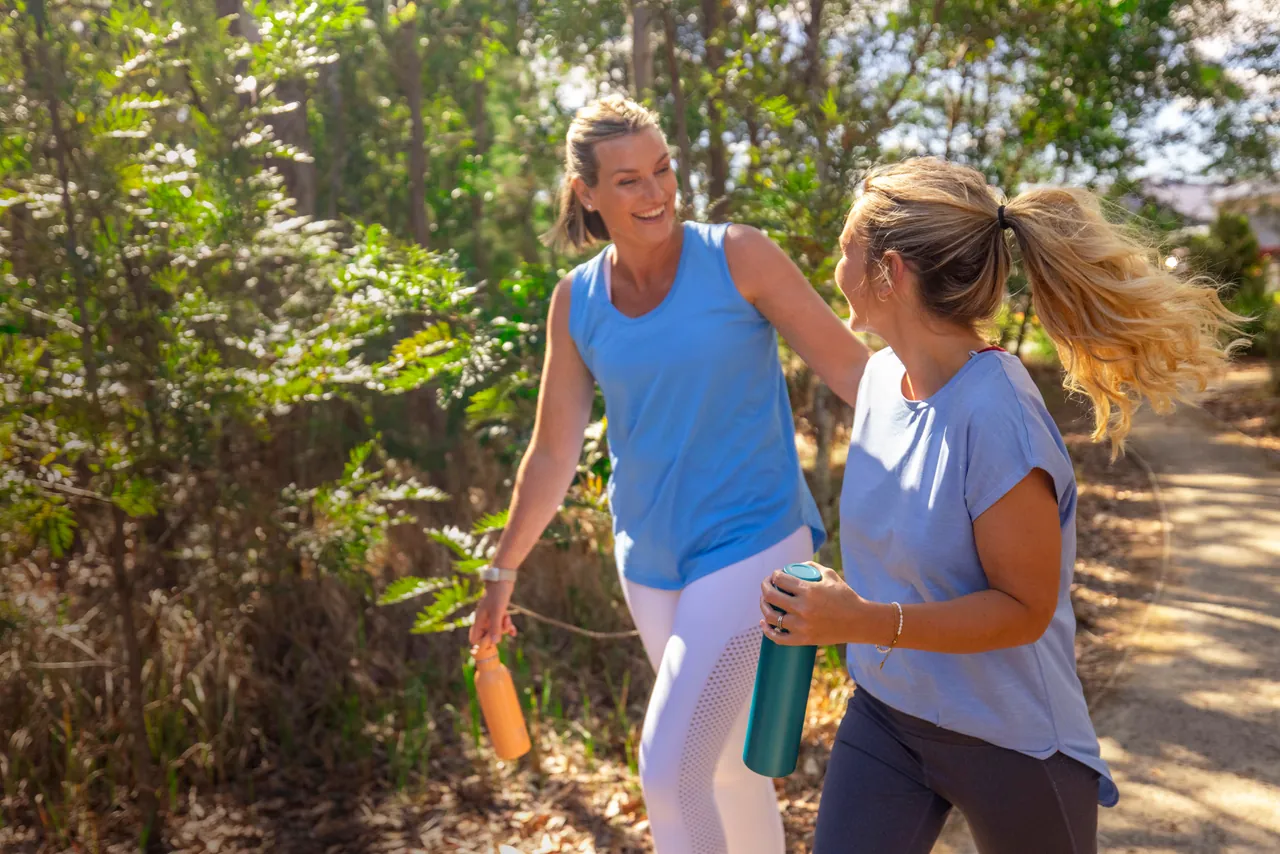
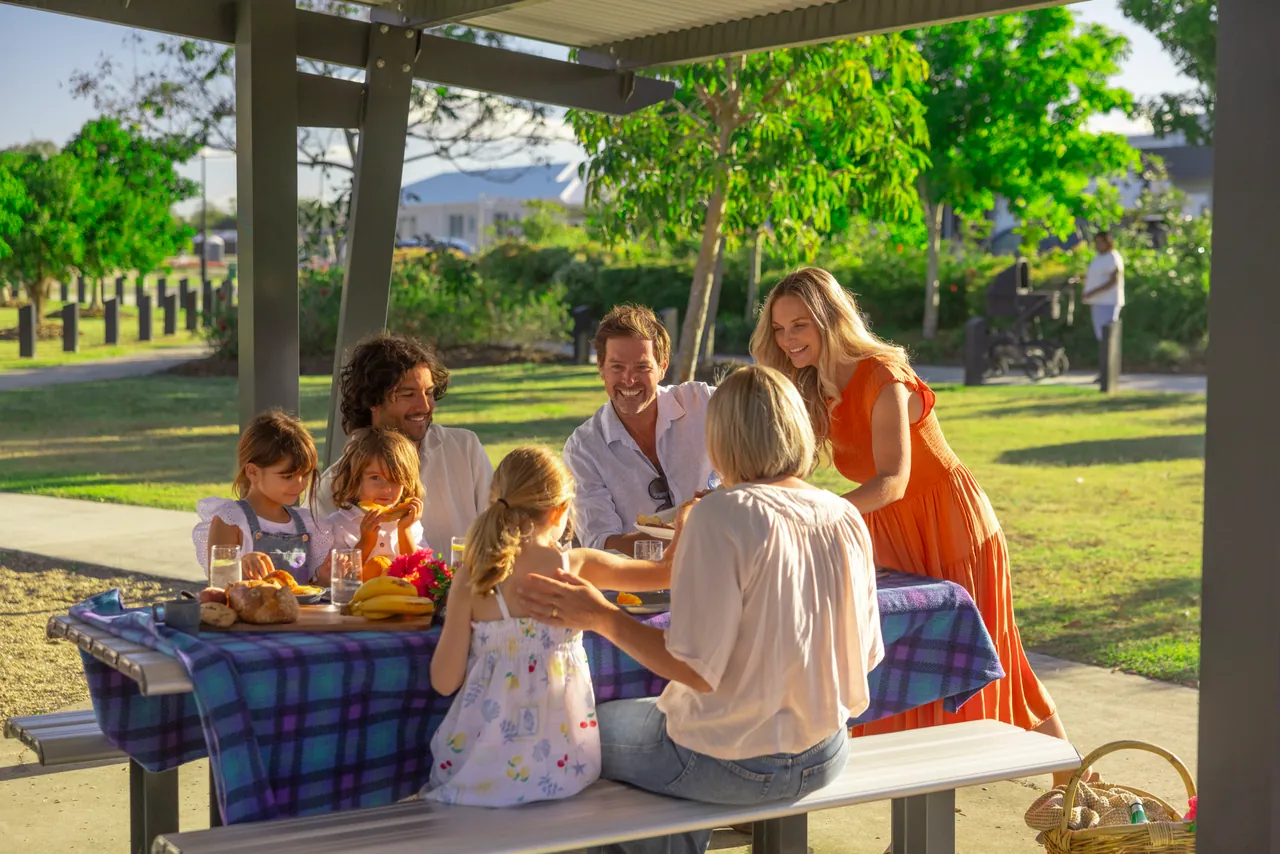
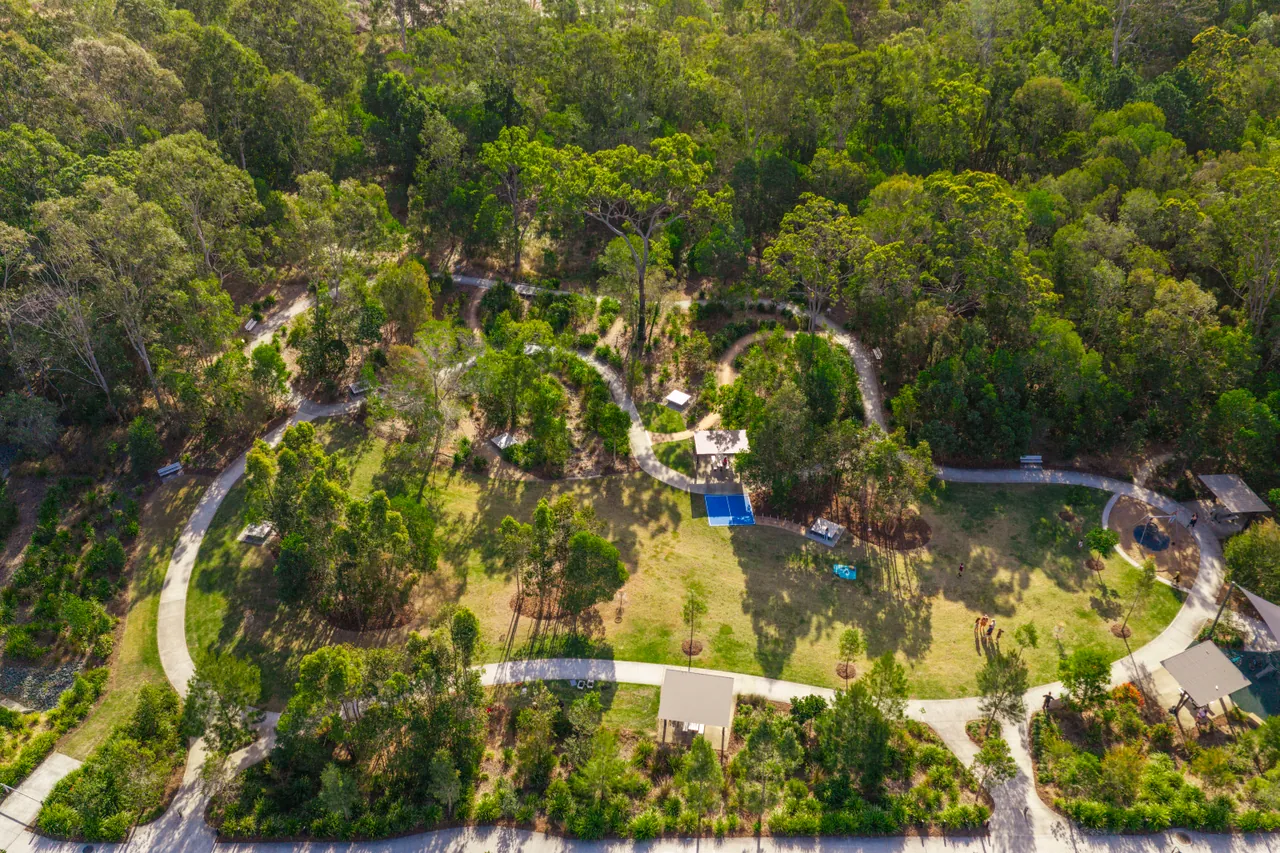
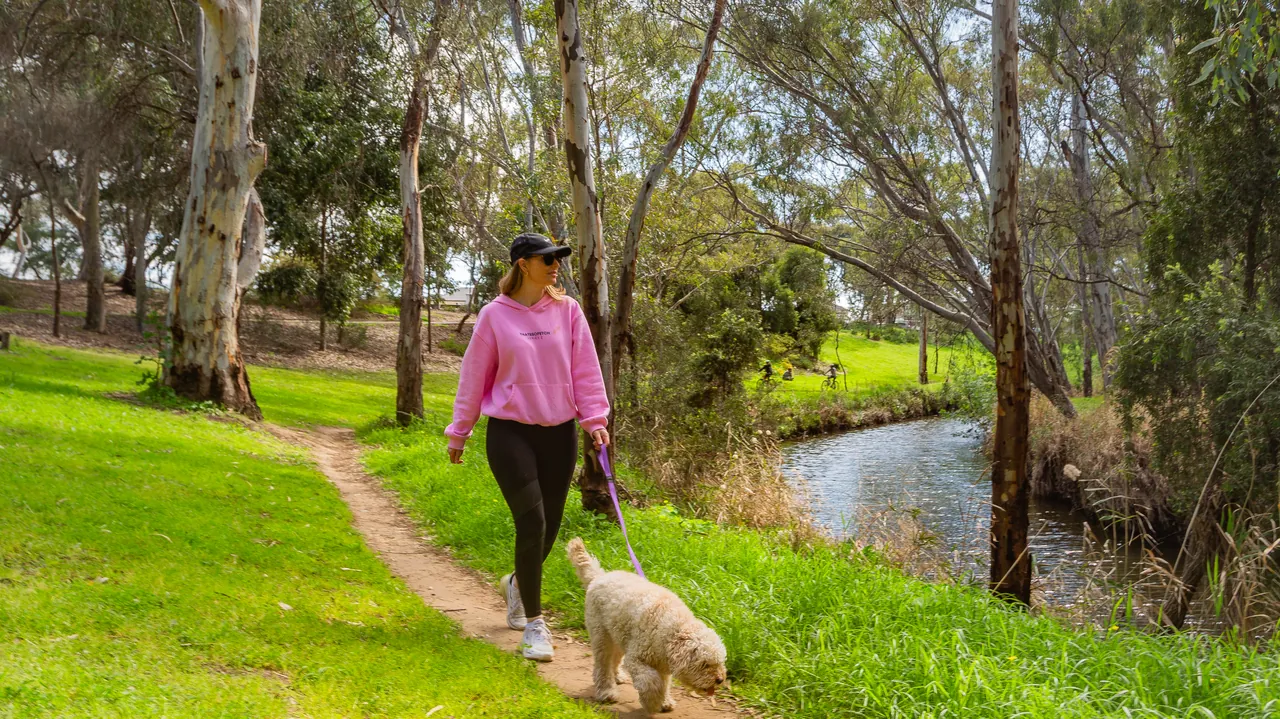
When existing natural assets and new green spaces become part of the structure of a neighbourhood, they can influence much more than its appearance. They can shape movement, create more enjoyable routes through a community, encourage people outdoors and provide places where everyday lives naturally cross.
And proximity alone isn’t necessarily enough.
A home might be only a few hundred metres from a river, reserve or park, but if the neighbourhood doesn’t connect people naturally to it, that landscape can still feel surprisingly removed from everyday life.
So perhaps the question at the beginning of a masterplan shouldn’t simply be where should the open space go?
What happens if we ask how nature can help organise the place?