
All thinking in practice

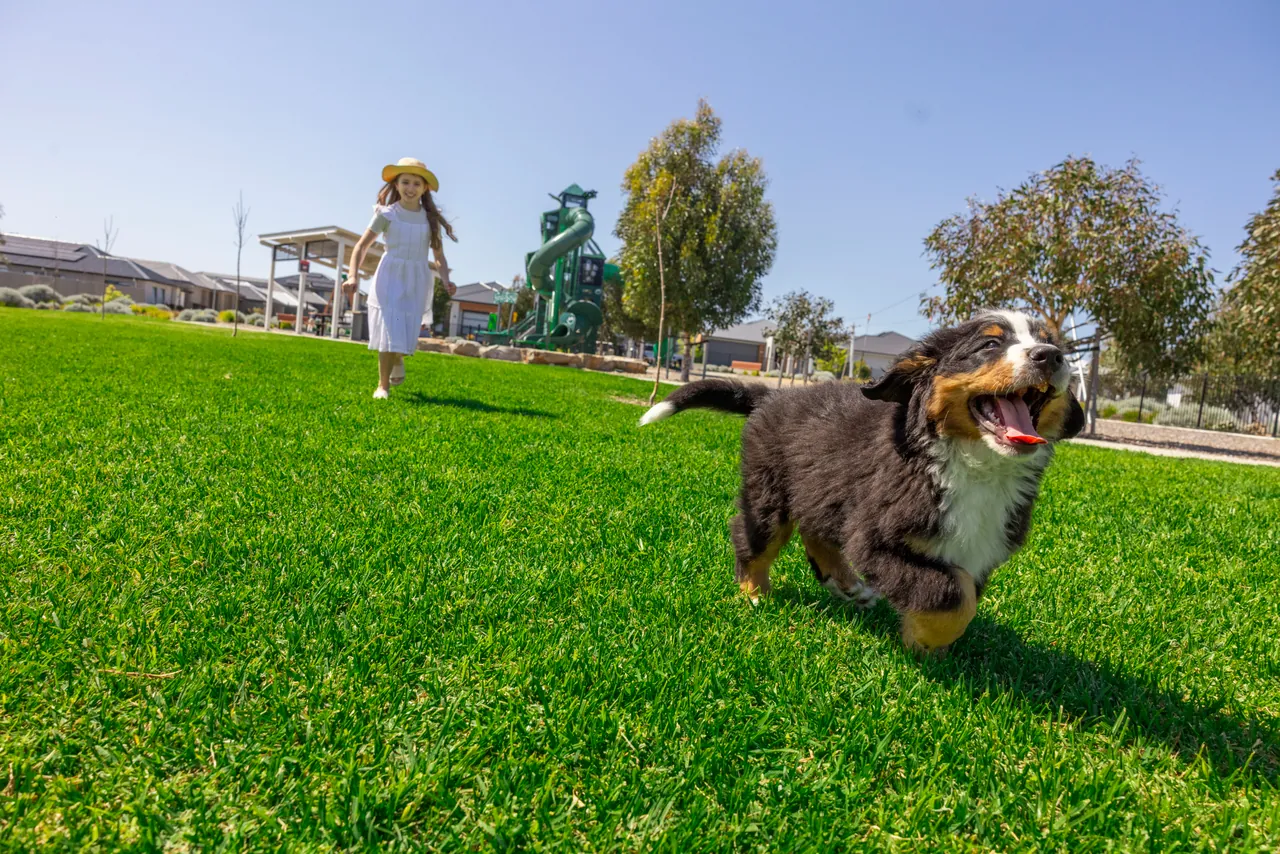
A girl and a dog running across a green lawn beside a playground

Letting the landscape speak first

Before deciding what a place needs, understand what it already has.

Development naturally involves thinking about what needs to be added to a site.

Homes. Streets. Parks. Paths. Infrastructure.

But sometimes the more revealing place to begin is with what’s already there.

The shape of the land. A creek line. Mature trees. Existing habitat. A view. The direction of the sun and breeze. The particular character of the landscape.

These aren’t simply conditions to work around.

They can become clues.

Recognising them early can influence where people move, where open space belongs, what should be retained and ultimately what makes one neighbourhood feel different from another.

This requires a different starting point.

Instead of immediately asking what can we put here?, first ask:

What is this place telling us?

The answer will be different every time. And that’s precisely the point.
The thinking in practice

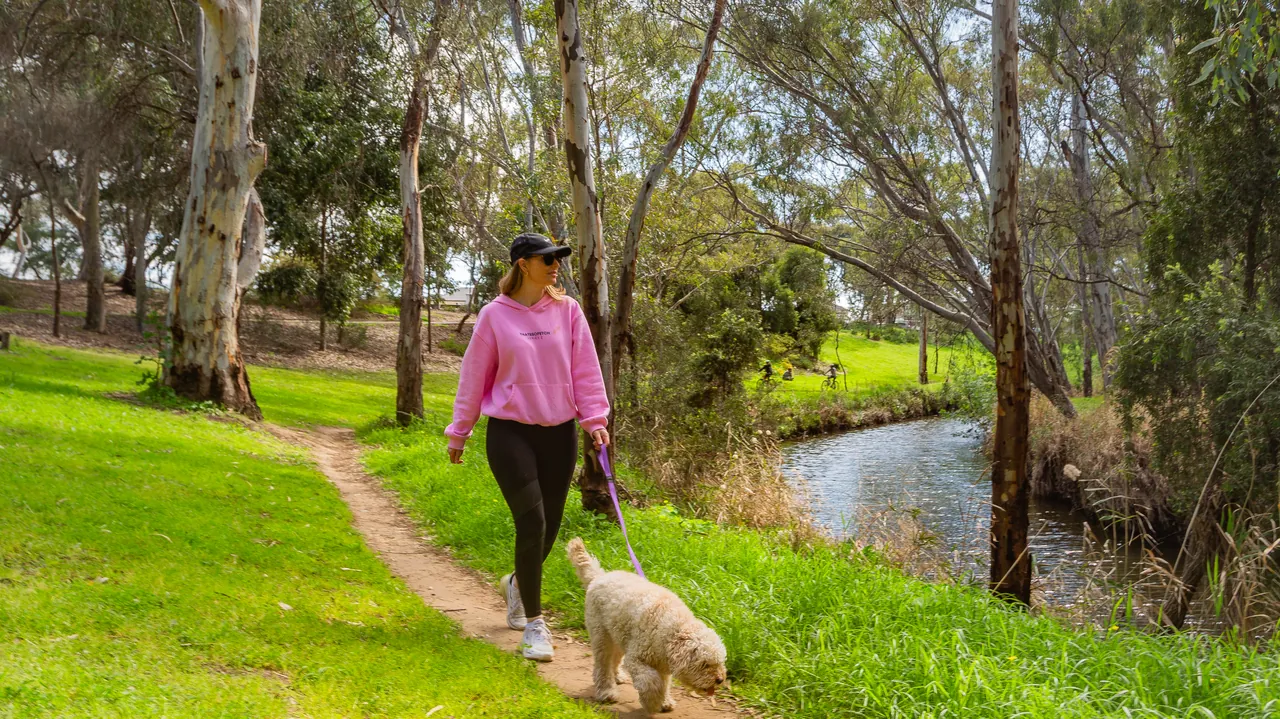
At Summerstone in Morayfield, the Fairland team saw value in the existing creek lines, bushland, mature vegetation and natural character of the site.

Rather than treating that landscape simply as a backdrop to development, the opportunity was to allow it to help inform the character and experience of the community.

Reserves, trails, recreation, streets and landscape connections can then be understood as parts of a wider system rather than isolated pieces of amenity.

The result is a stronger relationship between what was already there and what comes next.

It also gives a community something that is difficult to manufacture later: a sense that it belongs to its particular place.

A thought to take with us

Sometimes the strongest idea for a new place is already there. You just have to recognise it.

Seen in practice at Summerstone, Morayfield.

More thinking in practice